


.png)
- The most common mistake before stabilizing soil
- The 4 soil types and their characteristics
- Types of soil stabilizers: which one works for each terrain?
- The ionic stabilizer: the solution calibrated for each soil
- Comparison of methods by soil type
- Conclusion: The ionic stabilizer and the decision that makes the difference
Before talking about products or methods, there's a question every road project should answer first: What type of soil do you have? It sounds basic, but it's the step most often skipped. And when it's skipped, the result tends to be the same: a generic solution applied to the wrong terrain, repeat costs, and results that don't last.
Soils are not all the same. A clay soil needs a completely different treatment than a sandy one. What works for one can be useless for another. That's why understanding the characteristics of each soil type is the starting point for any soil improvement and stabilization process worth doing.
In this guide you'll find the 4 most common soil types in construction and road infrastructure projects, what makes them different, and which stabilization method is most effective for each.
The most common mistake before stabilizing soil
In many construction projects, the stabilization method is chosen without fully understanding the soil that's going to be treated. The best-known product is chosen, or the cheapest one, or the one used on the previous project, without considering that every terrain has a different composition and reacts differently to each treatment.
The result of this mistake isn't always immediate. Sometimes the road holds up for a few months, even a year. But with rain, accumulated traffic, or temperature changes, the problems show up. And fixing it later costs more than doing it right the first time.
Effective soil stabilization starts with the correct diagnosis. And that diagnosis starts with a simple question: what is the soil you want to treat made of?
.jpeg)
The 4 soil types and their characteristics
Classification by texture is the most useful for road projects because it describes how the soil behaves under load, moisture, and traffic. These are the characteristics of the four soil types most commonly found on site:
Clay soil
Made up of very fine particles that hold water easily. It becomes soft and muddy in the rainy season and hardens and can crack in the dry season. It's the most problematic soil type for roads and earthworks, and the one that most requires specific technical treatment.
Sandy soil
Made up of coarse particles with little cohesion between them. It drains water well but has low load resistance and is prone to erosion. Without proper treatment, sandy surfaces deform easily under heavy vehicle traffic.
Silty soil
Has particles of a size between clay and sand. It's susceptible to moisture and loses strength easily when saturated with water. In road projects, silty soils are a challenge because their behavior changes with the season.
Rocky soil
The most resistant of the four. Its high density and low water absorption make it naturally stable in most cases. However, on some projects it may require treatment on surface layers where the material has fragmented or shows irregularities.
In practice, clay and silty soils are the ones that most demand technical intervention in road projects in Mexico and Latin America, especially in areas with intense rainy seasons.
Types of soil stabilizers: which one works for each terrain?
There are several methods for soil improvement and stabilization. Each has advantages, limitations, and a soil type where it works best. Here are the most commonly used in road infrastructure projects:
Lime
Used mainly on clay soils. It reacts with the clay particles, reduces their plasticity, and improves the soil's workability. The lime dosage for soil stabilization varies according to the plasticity index of the terrain and requires laboratory testing to be defined correctly. Its effects are partially long-lasting, but can be affected by prolonged wet-dry cycles.
Cement
Recommended for granular soils such as sandy ones. It adds mechanical strength and cohesion, but it's rigid. In soils with high plasticity or frequent water presence, it can crack over time. Its application cost is usually higher than other methods.
Synthetic polymers
They form a layer that binds soil particles together and temporarily reduces water absorption. They're useful for dust control and surface stabilization, but don't produce a permanent structural change in the soil. Their effect fades over time and with traffic.
Ionic soil stabilizer
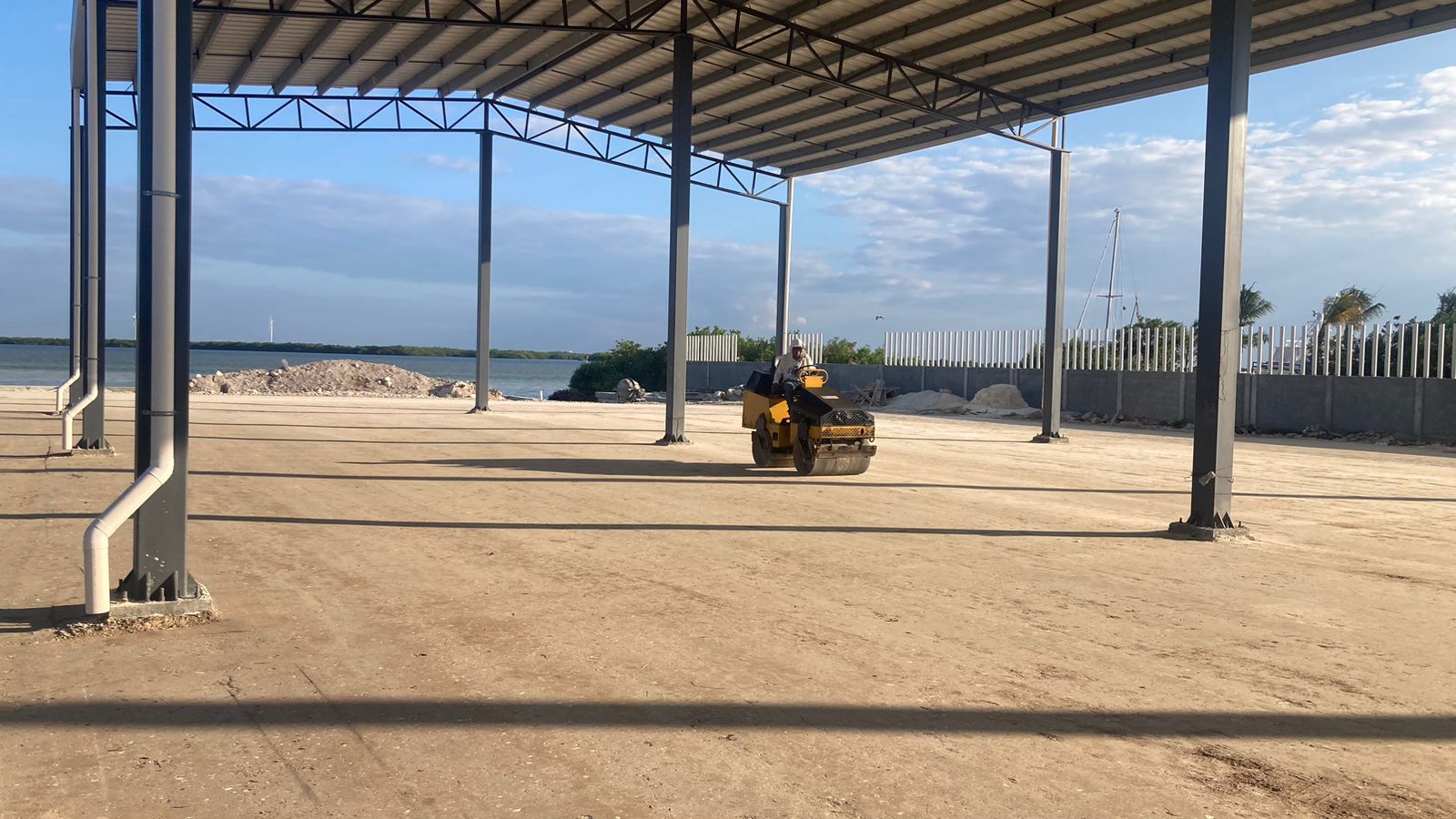
Unlike the previous methods, it acts at the molecular level. It changes the polarity of the soil particles, makes them hydrophobic, and produces irreversible densification. It works on a wide variety of soils, from clay to granular, and its results are determined through laboratory testing before application. It's the method with the longest proven service life.
The ionic stabilizer: the solution calibrated for each soil
One of the most important differences of the ionic stabilizer compared to other methods is that it isn't applied generically. Before any construction work, laboratory tests are run on the project's specific soil. Those results are used to determine the product's exact dosage, which can range between 0.4 and 0.5 ml/m³ depending on the type and condition of the terrain.
This means it isn't a product applied the same way everywhere. It's a solution that adjusts to the characteristics of the four soil types according to what each project needs. And that calibration is precisely what makes the difference in the results.
Some of the documented technical benefits of the ENFIRME ionic stabilizer on treated soils include:
- Increase in Bearing Ratio (CBR) of up to 400% in clay soils.
- Improvement in unconfined compressive strength of between 70% and 90%.
- Reduction of the Plasticity Index of up to 30% in highly plastic soils.
- Service life of the treated road up to 6 times longer than with conventional methods.
- No environmental impact in its diluted form.
Comparison of methods by soil type
Below is a summary of how effective each method is depending on soil type:
| Soil type | Lime | Cement | Polymers | Ionic stabilizer |
|---|---|---|---|---|
| Clay | Partial | Limited | Surface-level | High effectiveness |
| Sandy | Low | Moderate | Partial | High effectiveness |
| Silty | Partial | Moderate | Surface-level | High effectiveness |
| Rocky | Not applicable | Not applicable | Surface-level | Depends on condition |
As you can see, the ionic stabilizer is the method with the widest range of application and the most consistent results across the soil types and their characteristics. The other methods have niches where they work, but none offers the same level of technical adaptability.
Conclusion: The ionic stabilizer and the decision that makes the difference
Soil stabilization methods are not interchangeable. Each terrain has a different composition, behavior, and response to each method. Choosing without knowing the soil is the shortest path to repeat costs and unsatisfactory results.
The ionic stabilizer isn't the only option available, but it is the most versatile, the one that produces permanent changes, and the one that adjusts its dosage to the specific soil type of each project. That's why, in most road projects in Mexico, it's the most efficient solution over the medium and long term.
At Grupo Enfirme we've spent more than 15 years working with different soil types on projects for private companies and public agencies in Mexico. If you have a project in mind, we'd be happy to evaluate the terrain with you.

.png)


